
Choosing the right type of limestone finish for your bathroom can significantly impact the overall aesthetic and functionality of the space. Limestone is a popular choice in bathroom design due to its natural beauty and versatility. However, the choice between honed and polished finishes can be daunting. Each finish offers unique benefits and characteristics that cater to different needs and design preferences. This article will explore the differences between honed and polished limestone, highlight the key features of each, and provide guidance on selecting the best finish for your bathroom.
Honed Limestone vs Polished Limestone: A Comparative Overview
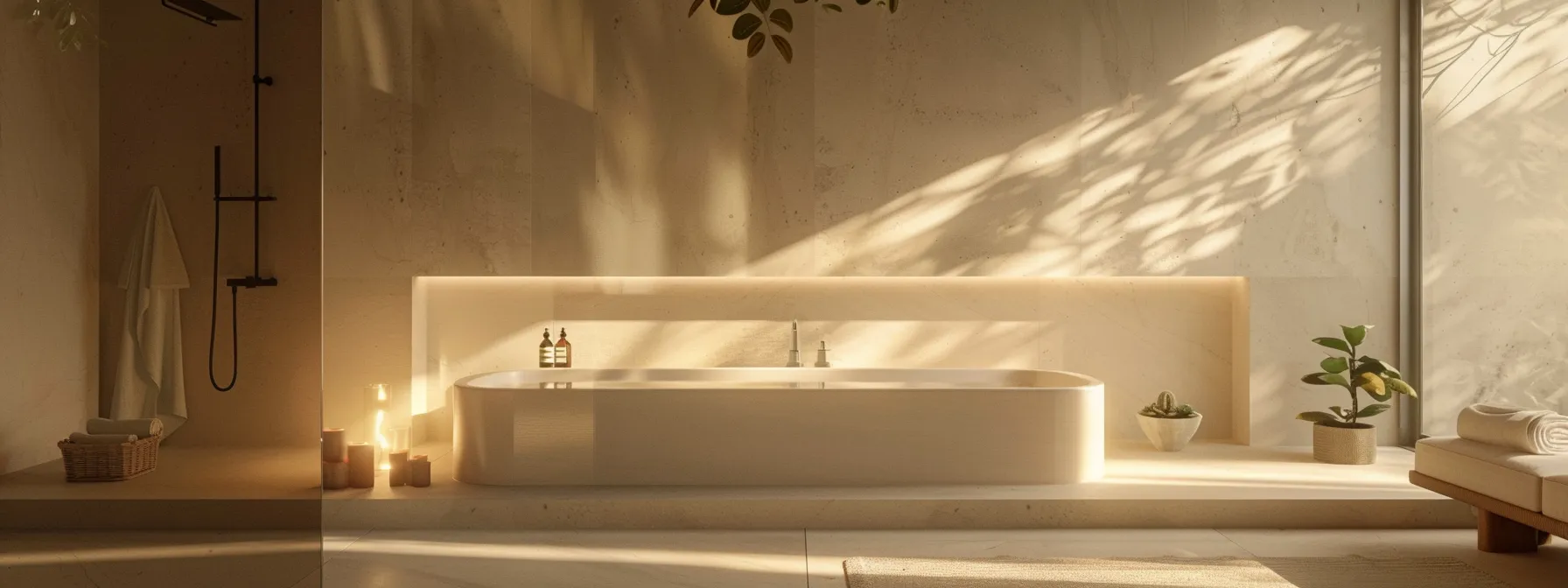
Honed Limestone features a smooth, matte surface that provides a subtle, sophisticated look, making it ideal for creating a calm and serene bathroom environment. On the other hand, polished limestone has a glossy, reflective finish that adds a touch of elegance and grandeur to any space. The choice between these finishes often depends on the desired mood and practical considerations of the bathroom design. In particular, Honed Limestone is known for its ability to offer a more slip-resistant surface, beneficial in moisture-prone areas like bathrooms.
Polished limestone is known for its ability to reflect light, which can make a bathroom appear larger and more luminous. However, it’s essential to consider that this finish can be slippery when wet. Honed Limestone, while less reflective, offers a more slip-resistant surface, which can be beneficial in moisture-prone areas like bathrooms.
Designers frequently use CAD Software during the design development phase to visualize how each finish will interact with other elements like fixtures, tiles, and lighting. This technology helps in making an informed decision that aligns with your design goals and safety requirements.
Key Characteristics of Honed Limestone for Bathroom Use
Honed Limestone is prized for its understated elegance and durability. The matte finish of Honed Limestone makes it less susceptible to showing scratches and wear over time, which is a practical consideration for high-traffic areas like bathrooms. This finish is particularly appropriate for a bathroom’s hardscape, blending seamlessly with other natural elements.
When incorporating Honed Limestone into your bathroom design, a spec sheet can be invaluable. This document provides detailed information about the stone’s properties, including its porosity and maintenance needs. It ensures that you select a suitable sealant and cleaning regimen to maintain the stone’s beauty.
According to a recent Architectural Digest article, Honed Limestone is increasingly popular in contemporary and minimalist designs due to its subtle texture and neutral palette. This finish also complements a well-curated mood board, emphasizing a cohesive and tranquil bathroom aesthetic.
Advantages of Polished Limestone in Bathroom Design
Polished limestone brings a luxurious and refined quality to bathroom spaces. The high-gloss finish enhances the stone’s natural colors and patterns, making it a focal point in any design. The reflective surface can also enhance the room’s lighting, creating a bright and welcoming environment.
One of the main advantages of polished limestone is its ability to resist stains, provided it is properly sealed. This quality makes it a practical choice for bathroom vanities and countertops, where spills and splashes are common. Additionally, polished limestone’s smooth surface is easy to clean, which can be a considerable advantage in maintaining hygiene.
Furthermore, incorporating polished limestone into your bathroom design can be part of a broader FF&E strategy, where each element, from fixtures to finishes, is carefully selected to achieve a cohesive look. As highlighted in a Houzz case study, polished limestone can be particularly effective in traditional and opulent bathroom settings.
Factors to Consider When Choosing Between Finishes
When deciding between honed and polished limestone, it’s important to consider factors such as the bathroom’s overall design style, the level of maintenance you’re willing to commit to, and the specific functional needs of the space. A thorough site analysis can provide insight into the room’s natural lighting and how each finish might affect the ambiance.
The finish schedule, a component of the project plan, outlines the materials and finishes used in each area of the bathroom. This document can aid in visualizing how honed or polished limestone will integrate with other elements like cabinetry and wall treatments.
For those prioritizing safety, Honed Limestone might be preferable due to its slip-resistant properties. However, if creating a visually striking space is the goal, the glossy and elegant appearance of polished limestone could be more appealing. Ultimately, the decision should align with your personal style, practical considerations, and the intended use of the bathroom space.
Conclusion

Choosing between honed and polished limestone for your bathroom involves balancing aesthetic preferences with practical considerations. Each finish offers distinct advantages, from the understated elegance of Honed Limestone to the luxurious appeal of polished limestone. By understanding the characteristics and benefits of each, you can make an informed decision that enhances both the beauty and functionality of your bathroom. For further exploration of limestone options, including Honed Limestone, visit our comprehensive collection.